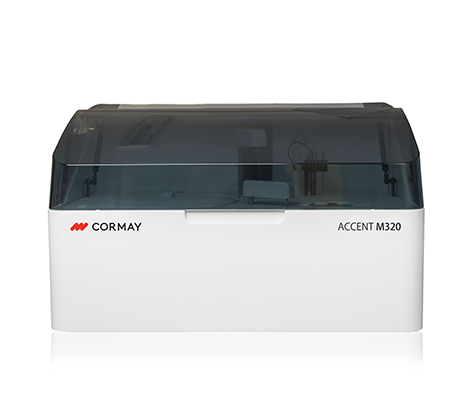
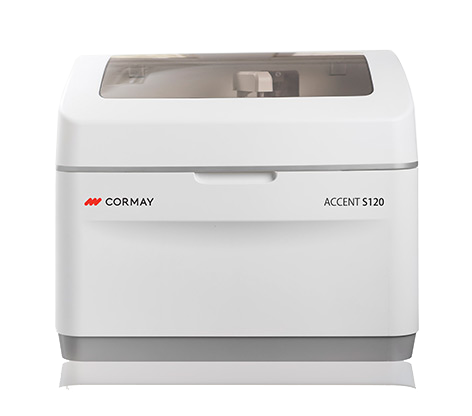
Determination of the level of cholinesterase activity (decrease) in serum or plasma is helpful in the diagnosis of liver diseases such as cirrhosis, chronic inflammation and cancer. The decrease in the enzyme activity is also observed in poisoning with organic phosphates, the use of oral contraceptives or congenital cholinesterase deficiency. The increase in enzyme activity occurs in the course of nephrotic syndrome, diabetes and triglyceridemia.
The specification was based on data determined on selected analyzers. We recommend that all users should refer to the instruction for use (IFU) and instruments’ user or service manuals before proceeding.
We Are Driven By Quality
01
Reliability
We manufacture products that deliver tests results you can trust.
02
Proven Quality
We supply high-quality in-vitro diagnostic solutions all over the world.
03
High Performance
We comply with the legal requirements.
04
Cost-effectiveness
We care about productivity to provide our customers with competitive products.
To order this product, please contact your Area Sales Manager for details. If you have any questions, click the button below and fill out the form. We will contact you as soon as possible.
Your permissions do not allow you to download these files. If you think this is a mistake, please contact your Area Sales Manager to extend access.
Website for professionals
The page you are accessing contains content related to medical devices intended only for professionals dealing with their use or trade.
Access to it requires a declaration of being a person authorized to access this type of content.